

The 1980s photo prompt is suddenly everywhere. People are turning ordinary selfies into mall portraits, yearbook photos, family album snapshots, and flash heavy party pictures that look as if they were taken forty years ago.
But before we break down the prompts behind the trend, there is an easier way to create the look.
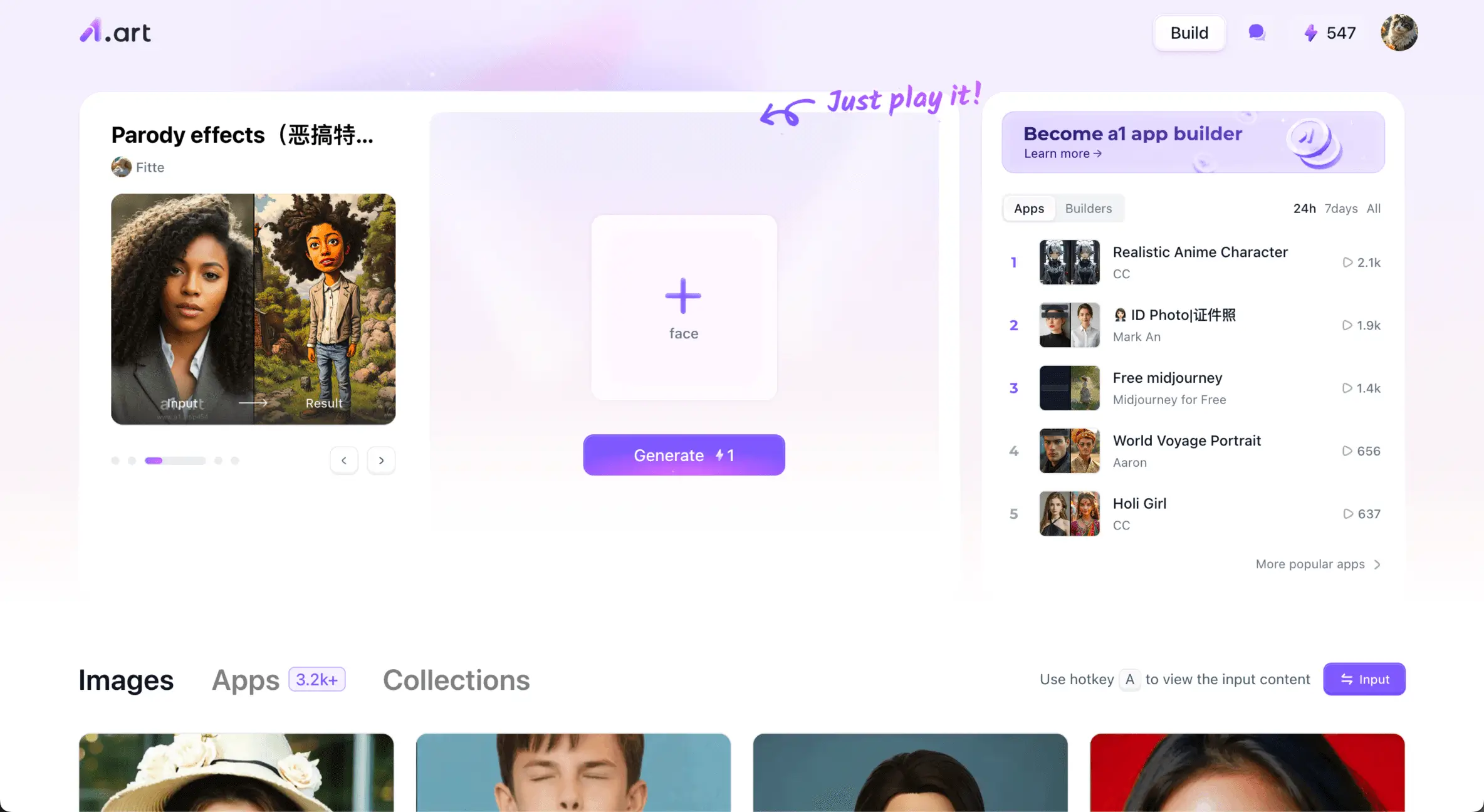
a1.art has integrated GPT Image 2.5 and turned popular visual styles into ready to use AI filters.That means you do not need to write a long prompt, choose a film stock, describe the lighting, or repeatedly explain what authentic 1980s photography is supposed to look like.
Choose a 1980s style filter, upload your photo, and generate the result directly. The visual instructions have already been built into the preset.

Try the 1980s Photo Filter on a1.artYou can experiment with several versions of the look:
- 1980s mall portrait: Soft studio lighting, pastel backdrops, big hair, and the unmistakable department store photo aesthetic.
- 1980s yearbook photo: Formal framing, restrained styling, soft focus, and the slightly awkward charm of a real school portrait.
- 1980s family photo: Warm indoor lighting, coordinated clothing, visible film grain, and casual snapshot composition.
- 1980s party snapshot: Direct camera flash, deeper shadows, saturated colors, and the spontaneous feel of a disposable camera photo.
- 1980s cinematic still: Period clothing, practical lighting, muted film colors, and the atmosphere of a scene from an old movie.

For readers who simply want the viral result, the filter route is the fastest option. For readers who want more control, the rest of this guide explains how the 1980s photo prompt works, which details make an image look convincingly period correct, and how to customize it in GPT Image 2.5.
Why Is the 1980s Photo Prompt Suddenly So Popular?
The trend is easy to understand: the 1980s had a photographic identity that modern phone cameras rarely reproduce by accident.
A convincing 1980s image is more than a modern portrait with faded colors. It combines period specific clothing, hair, makeup, lighting, camera behavior, backgrounds, props, and composition. If even one of those elements feels too modern, the illusion begins to fall apart.
GPT Image 2.5 has made this kind of transformation more accessible because it can follow detailed visual instructions while preserving more of the person, object, or composition provided as a reference. That makes the model especially useful for nostalgic photo transformations.
However, the prompt still matters when you want precise control.
The question is no longer simply, How do I make this photo look old?
The better question is:
Which kind of 1980s photograph do I want to recreate?

Copy and Paste This 1980s Photo Prompt
Upload a clear portrait and paste the following prompt:
Transform the uploaded photo into a believable portrait photographed in 1986.
|
| Use the uploaded image as the definitive identity reference. |
| Preserve the subject's recognizable face, facial geometry, |
| skin tone, age, expression, gaze, body proportions and pose. |
| Do not beautify, reshape, age, de age or replace the person. |
| Restyle only the hair, clothing, accessories, background, lighting and photographic treatment. |
| Use period appropriate 1980s hair and clothing that suit the subject naturally. |
| Avoid turning the person into a costume or caricature. |
| Photograph the scene with direct on camera flash, soft shadows, slightly faded color, warm skin tones, |
| subtle 35mm film grain, mild optical softness and gentle highlight bloom. |
| Keep realistic skin texture and natural facial detail. |
| Use a simple 1980s portrait studio or family home background with period appropriate furniture, colors and materials. |
| Remove smartphones, modern screens, contemporary logos, LED lights, |
| recent cars and other objects that would reveal the present day. |
| The finished image should look like a real photograph scanned from a family album, not a modern digital portrait with a retro filter. |
| Keep the result photorealistic and historically believable. |
| Do not add text, watermarks, excessive scratches, extreme neon colors, plastic skin, distorted hands or extra fingers. |
This prompt is intentionally detailed, but its structure is more important than its length. It tells the model what is locked, what may change and what makes the photograph belong to the 1980s.

Why Make This Look Like the 80s Often Fails
The 1980s did not have one universal visual style.
A shopping mall studio portrait, a family snapshot, a VHS frame and a fashion editorial from 1985 can all be authentically 1980s while looking completely different.
When you provide only a short instruction, the model has to guess which version you mean. It may combine several stereotypes:
- Neon clothing
- Huge hair
- A laser grid background
- Heavy film damage
- An arcade machine
- A cassette player
- Oversized sunglasses
- Pink and blue lighting
Each detail may have some connection to the decade, but putting all of them in one photograph can make the result look like a themed party.
A convincing 1980s AI photo needs five things to agree with one another:
| Prompt element | What it controls |
| Identity lock | Keeps the result recognizable as the uploaded person |
| Specific photo type | Defines whether the image is a studio portrait, snapshot, yearbook photo or VHS frame |
| Period styling | Controls clothing, hair, makeup and accessories |
| Camera character | Creates the flash, grain, softness and faded color associated with older photography |
| Period restrictions | Removes smartphones, modern cars, LED lighting and other anachronisms |
The most important line is usually the identity instruction. An image can have perfect 1980s clothing and lighting while depicting someone who only vaguely resembles you.
Four Popular 1980s Photo Prompts to Try
Instead of forcing every retro idea into the master prompt, choose one clear direction.
The 1980s Mall Portrait Prompt
Turn the uploaded photo into a professional shopping mall studio portrait taken in 1987.
Preserve the subject's exact recognizable face, skin tone, expression and body proportions. Give the subject natural period appropriate hair and coordinated clothing in soft denim, pastel knitwear or layered casual basics.
Use a mottled studio backdrop in muted blue, gray and mauve. Add soft frontal studio lighting, gentle diffusion, mild airbrushing, subtle film softness and slightly faded print colors.
Make the result look like a real portrait package from a 1980s mall photography studio. Do not add modern objects, extreme neon styling or exaggerated costume details. |

The 1980s Family Album Prompt
Restyle the uploaded photo as a casual family photograph taken at home in 1984.
Keep every person's identity, face, expression, skin tone, pose and relative position recognizable. Use modest period appropriate clothing and natural hairstyles.
Place the subjects in a believable family living room with warm wooden furniture, floral curtains, patterned upholstery and softly glowing table lamps. Keep the room ordinary and lightly decorated.
Use direct camera flash, warm color balance, subtle 35mm grain, mild softness and the slightly faded appearance of an old printed photograph. Make it feel personal and imperfect, not staged like a modern fashion campaign. |
The 1980s Yearbook Prompt
Convert the uploaded portrait into a believable high school yearbook photograph from 1985.
Preserve the subject's identity and facial features exactly. Use a formal head and shoulders crop, a natural straight to camera expression, period appropriate hair and simple clothing.
Use a plain blue gray studio background, even frontal lighting, mild print softness and restrained film grain. Keep the styling slightly awkward and ordinary, as a real school portrait would be.
Do not use cinematic lighting, modern beauty retouching, dramatic props or exaggerated 1980s stereotypes. |

The 1980s VHS Still Prompt
Transform the uploaded image into a frame captured from a consumer VHS camcorder in 1988.
Preserve the people, identities and main composition. Use period appropriate casual clothing and remove clearly modern objects.
Add soft analog resolution, mild color bleeding, limited dynamic range, faint scan noise and a small date stamp in the lower corner. Keep the effect subtle enough that faces remain recognizable.
The result should resemble a paused home video, not a damaged photograph, cinematic film still or modern image with a heavy glitch effect. |

1980s Photo Prompts for India and South Asia
Most viral 1980s photo prompts recreate an American mall portrait: pastel backgrounds, denim jackets, studio haze, and very big hair. That look is recognizable, but it is not the only version of the 1980s.
A family photograph taken in Mumbai, Lahore, Dhaka, Colombo, or Kathmandu would have its own clothing, interiors, colors, and camera character. Simply adding Indian or South Asian to a Western prompt usually produces something that feels more like a costume shoot than a real photograph.
The prompts below provide more regional control. They also tell the model to preserve the subject’s actual identity, skin tone, age, and facial structure.
If you only want a fast result, you can use a ready made 1980s photo filter on a1.art without writing a detailed prompt. Use the following prompts when you want to control the country, occasion, clothing, and photographic style yourself.
Indian 1980s Family Photo Prompt
Transform the uploaded photo into an authentic Indian family photograph taken in 1986. Preserve every person’s recognizable identity, facial structure, natural skin tone, age, body proportions, and family resemblance.
Place the family in a modest middle class living room with patterned curtains, a fabric covered sofa, a wooden cabinet, framed family photographs, and warm indoor lighting. Use culturally appropriate 1980s Indian clothing: a simple sari or salwar kameez where suitable, and tucked in collared shirts with high waisted trousers for men. Keep the clothing realistic and understated.
Recreate the visual character of consumer 35mm film: direct on camera flash, slightly warm colors, gentle grain, soft shadow edges, modest contrast, minor print fading, and the appearance of a physical photograph scanned many years later.
The pose should feel affectionate but slightly formal, as if a relative asked everyone to look at the camera before taking one photograph. Do not create a modern fashion shoot. No smartphones, LED lighting, contemporary furniture, modern streetwear, beauty filters, exaggerated costumes, or American mall portrait styling. |

1980s Bollywood Photo Prompt
Use the uploaded portrait as the identity reference and recreate the subject as the lead character in a 1987 Hindi cinema publicity photograph. Preserve the face, complexion, eye shape, age, and recognizable personal features.
Use period appropriate Indian fashion inspired by mainstream 1980s Hindi cinema: expressive but believable hair, a colorful sari, salwar suit, patterned shirt, wide collar, or tailored jacket depending on the subject. Add restrained period accessories only when appropriate.
Create dramatic practical lighting, rich reds and golds, slightly lifted blacks, visible 35mm film grain, mild halation around bright lights, and the saturated color response of a photographed film still. Compose the image like a real promotional photograph from an old cinema magazine.
Keep the result cinematic without copying a real actor or movie poster. Avoid modern makeup, contemporary fashion, digital sharpness, plastic skin, fantasy costumes, parody, readable movie titles, studio logos, and celebrity likenesses. |

Pakistani 1980s Wedding Photo Prompt
Transform the uploaded image into a Pakistani wedding reception photograph taken in 1988. Preserve the subjects’ real identities, facial proportions, natural complexions, expressions, and relationship to one another.
Set the scene inside a period appropriate wedding hall with fabric draping, floral decorations, warm tungsten lights, a simple decorated stage, and a formal seated pose. Dress the subjects in elegant but historically believable Pakistani wedding clothing, such as a period appropriate shalwar kameez, dupatta, waistcoat, sherwani, or traditional formalwear according to the subject and occasion.
Photograph the scene with direct flash and mixed indoor lighting. Add realistic 35mm grain, slightly uneven exposure, warm color shifts, modest softness, and the surface character of an aged glossy print.
The photograph should feel like a treasured family record rather than a modern bridal campaign. Avoid contemporary wedding stage LEDs, luxury hotel styling, modern designer silhouettes, smartphones, excessive jewelry, artificial skin smoothing, or clothing from unrelated cultures. |

Bangladeshi 1980s Studio Portrait Prompt
Create an authentic Bangladeshi photo studio portrait from Dhaka in 1985 using the uploaded image as the identity reference. Keep the subject’s face, skin tone, age, hairstyle structure, and body proportions recognizable.
Place the subject in a small local portrait studio with a hand painted backdrop, a wooden stool or simple chair, curtains, and minimal decorative props. Use understated period clothing, such as a sari, panjabi, salwar kameez, or collared shirt where appropriate to the subject.
Use soft frontal studio lighting with a subtle direct flash quality, restrained shadows, warm film color, fine grain, gentle fading, and slightly softened detail. Frame the portrait formally, with the subject looking directly at the camera and holding a calm, composed expression.
Do not turn the image into a modern editorial portrait. Avoid contemporary hairstyles, Western prom styling, artificial neon colors, heavy cinematic effects, luxury interiors, modern accessories, and excessive cultural decoration. |
Image placement: Use a waist up portrait with the painted backdrop clearly visible. Alt text:Bangladeshi 1980s studio portrait AI prompt
Sri Lankan 1980s Family Snapshot Prompt
Transform the uploaded photo into a natural Sri Lankan family snapshot taken in 1987. Preserve every person’s identity, facial features, natural skin tone, age, and body proportions.
Place the family on a shaded veranda or inside a lived in family home with patterned curtains, cane or wooden furniture, potted tropical plants, and soft daylight entering from one side. Use period appropriate everyday clothing, such as a sari, modest dress, collared shirt, or high waisted trousers according to the subject.
Recreate a consumer film camera image with direct fill flash, warm tropical daylight, slightly muted greens, fine grain, mild softness, small exposure imperfections, and a white printed photo border. The composition should feel casual and personal, with natural posture rather than professional modeling.
Avoid resort imagery, exaggerated tropical scenery, modern architecture, smartphones, current fashion, HDR lighting, beauty retouching, and stereotypical costumes. |

Nepal 1980s Photo Studio Prompt
Use the uploaded portrait to create a photograph taken in a Kathmandu portrait studio in 1986. Preserve the subject’s exact identity, natural complexion, facial geometry, age, and expression.
Place the subject against a simple curtain or subtly painted studio background with a wooden chair and minimal props. Use formal 1980s clothing appropriate to the person. Traditional clothing may be included only when requested or supported by the reference; otherwise, use a period correct sweater, collared shirt, blouse, sari, or tailored jacket.
Apply soft frontal flash, subdued colors, delicate 35mm grain, slightly faded shadows, modest sharpness, and the texture of a physical print stored in a family album. Use a centered, dignified pose and a restrained expression typical of a formal studio portrait.
Avoid modern outdoor adventure styling, exaggerated mountain imagery, costume like cultural elements, present day fashion, digital skin smoothing, and ultra sharp commercial photography. |
A Customizable South Asian 1980s Photo Prompt
Readers can also use this template for other countries, cities, and family histories:
Transform the uploaded image into an authentic photograph taken in [COUNTRY OR CITY] in [YEAR BETWEEN 1980 AND 1989].
Preserve the subject’s recognizable identity, facial structure, natural skin tone, age, expression, and body proportions. Recreate a [FAMILY SNAPSHOT / WEDDING PHOTO / STUDIO PORTRAIT / SCHOOL PHOTO / CINEMA STILL] with period appropriate clothing, hairstyle, furniture, background details, and photographic composition.
Use the visual character of consumer 35mm film: [DIRECT FLASH / SOFT STUDIO FLASH / NATURAL DAYLIGHT], realistic film grain, slightly faded color, modest sharpness, minor exposure imperfections, and the appearance of a physical print scanned decades later.
Keep the scene culturally and historically plausible. Do not add religious symbols, traditional clothing, or ceremonial objects unless they are requested or supported by the reference. Remove smartphones, LED lights, modern fashion, contemporary furniture, digital beauty filters, plastic skin, and present day photographic effects. |

The key is to describe a specific photograph from the 1980s, rather than treating an entire country as a single visual style. A Dhaka studio portrait, a Mumbai family snapshot, and a Lahore wedding photograph may belong to the same decade, but they should not look identical.
How to Use the Prompt in ChatGPT
The process takes only a few steps:
- Start a new image conversation.
- Upload a clear photograph.
- Paste the master prompt or one of the variations.
- Generate the first version.
- Compare the face with the original before making more edits.
- Use a short follow up instruction to correct one problem at a time.

A sharp, front facing photograph usually gives the model more identity information. Avoid images where the face is tiny, heavily filtered, hidden by hair or blocked by sunglasses.
If you want a faster route, A1.art also offers 1980s photo filters that let you choose a retro style and upload a photo without constructing the entire prompt yourself.
How to Fix the Most Common Problems
Do not paste the complete master prompt again every time something goes wrong. A smaller follow up edit gives the model fewer opportunities to redraw the entire image.
| Problem | Follow up instruction |
| The face changed | Restore the exact facial identity, geometry, skin tone and expression from the uploaded reference. Keep all other parts of the current image unchanged. |
| It looks like a modern photo with a filter | Replace the digital look with direct camera flash, aged 35mm color response, mild optical softness and subtle print fading. Do not alter the subject. |
| The result looks like a costume | Reduce the exaggerated styling. Use ordinary clothing and hair that a real person might have worn in 1986. |
| Too many retro props appeared | Remove decorative retro props. Keep only a simple, historically believable background. |
| The effect is too blurry | Reduce the blur while preserving subtle film grain and mild lens softness. Keep the face clear. |
| Modern objects remain | Remove the smartphone, LED light and modern branding. Replace them with visually neutral period appropriate objects. |
| Hands are distorted | Correct only the hands and fingers. Preserve the face, pose, clothing, background and photographic treatment. |
This one variable approach also takes advantage of GPT Image 2.5’s improved editing consistency. Once you have a face and composition you like, protect them instead of asking the model to reinterpret the whole photograph.
Final Prompting Tips
Use a specific year, such as 1984, 1986 or 1988. This gives the model a narrower target than retro.
Choose one photo type per generation. A mall portrait and a VHS still require different lighting, framing and texture.
Tell the model what must remain unchanged before describing clothes and scenery. Identity preservation should not be an afterthought.
Avoid copyrighted character names and famous photographer references unless they are necessary and appropriate. Describe the visual qualities you want instead.
Generate several versions. Even a strong prompt can produce different faces, backgrounds and styling from one run to the next.
Most of all, decide whether you want an authentic photograph or a playful 1980s fantasy. Both can work, but they need different prompts.
The viral 1980s photo prompt is popular because it turns a familiar modern photo into something that feels discovered rather than generated. GPT Image 2.5 makes the transformation easier to control, but the prompt still matters. Lock the identity, choose one version of the decade and ask for photographic evidence of the period rather than a pile of retro stereotypes.
Frequently Asked Questions
What is the viral 1980s photo prompt?
It is an image editing instruction that asks ChatGPT or another image model to transform an uploaded photograph into a believable photo from the 1980s while preserving the person’s identity.
Can I use the 1980s photo prompt with GPT Image 2.5?
Yes. GPT Image 2.5 is particularly relevant because OpenAI promotes improved reference image fidelity, precise editing and consistency across revisions.
Why does the generated face look different?
The model may regenerate the whole portrait while changing the style. Add a clear identity lock instruction and use the uploaded photo as the definitive facial reference.
What is the best 1980s photo style?
The mall studio portrait is the most instantly recognizable. Family album photographs and VHS stills often look more natural because they do not depend on exaggerated fashion.
Does prompt work with couples and families?
Yes, but group images are more demanding. State that every person’s identity, position, expression and relative size must remain unchanged.
Can I create an 80s photo without writing a long prompt?
Yes. A preset filter is a simpler option when you want the look without manually specifying the camera, clothing and background.
Read more
- GPT Image 2.5 vs GPT Image 2: The Complete Comparison
- GPT Image 2.5: New Features and Alternatives
- Best Hot AI Video Generator Apps to Create New Videos from Photos
- How to Create the Viral Radha Rani AI Photo Trend in 2026
- 15+ Ganesha AI Video Prompts for Ganesh Chaturthi Reels in 2026
- How to Get AI Photos of Yourself: An Easy Step-by-Step Guide
- 20+ Ganesh Chaturthi AI Prompts for Festive & Devotional Photos in 2026
- Da Nang Festival 2026: Ultimate Guide to Dates & Events
- Unlock 20+ Onam AI Prompts for Traditional Kerala Photos in 2026
- Best Prompt Hero AI Alternatives for AI Prompts and Image Generation
Written by

a1.art
Published on
Sep 10, 2026
Share article


